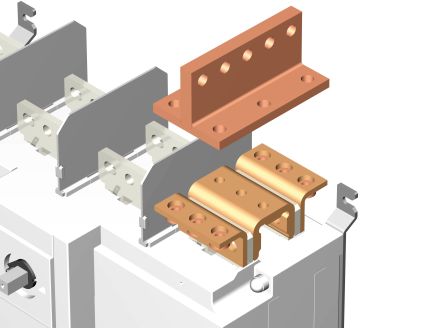
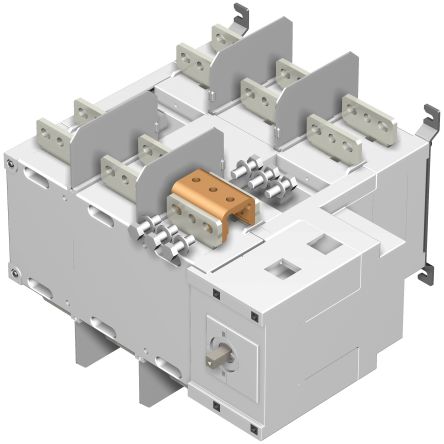
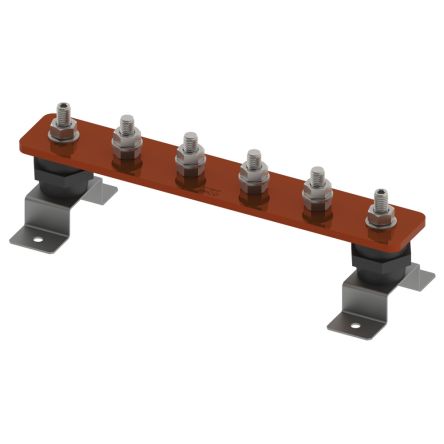
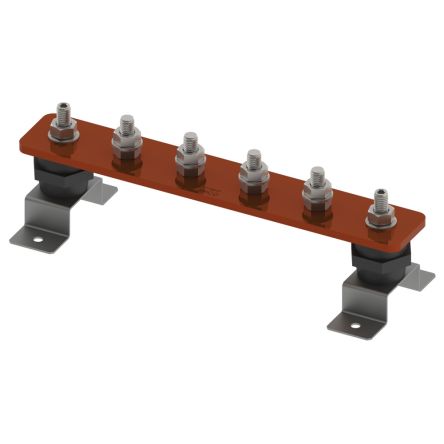
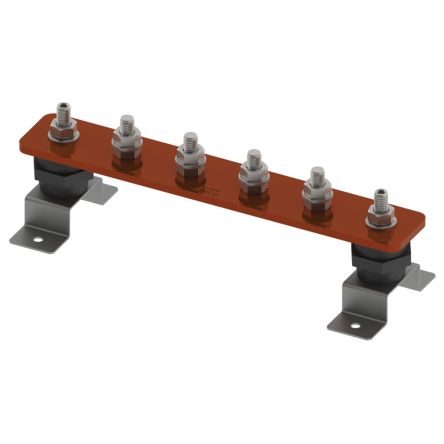
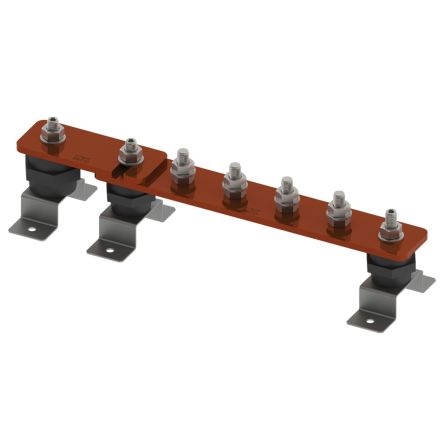
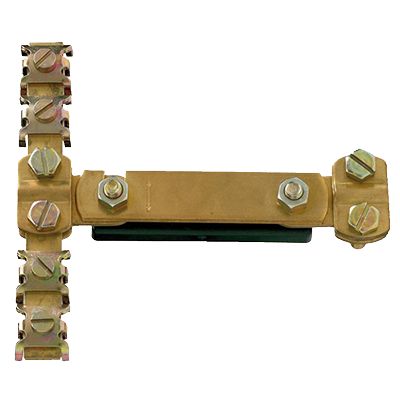
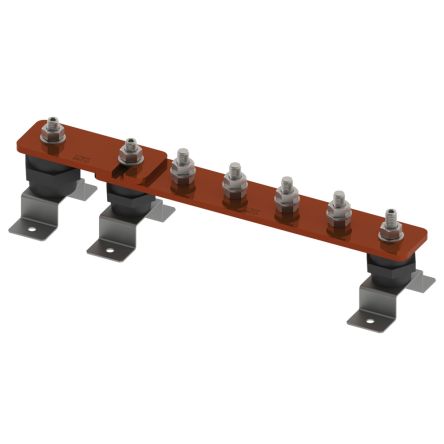
Copper bar is a solid length of copper formed into round, square, or flat cross‑section bars designed for electrical, mechanical and fabrication uses. It is commonly supplied in electrolytic tough pitch copper (ETP) or higher-purity oxygen-free variants, with purity ratings such as 99.9% Cu. Copper bar combines excellent electrical conductivity and high thermal conductivity with good ductility and corrosion resistance, making it a versatile choice for electrical buses, connectors, heat exchangers, plumbing fittings, and manufacturing fixtures. Suppliers also offer copper bar stock in multiple grades to suit different applications, including electrical engineering, electronics manufacturing, and precision machining.
What shapes and sizes does copper bar come in, and how do I choose?
Copper bar is produced in several cross sections to match different uses:
Copper round bar (copper round bar) for shafts, bearings, bus bars, and precision pins
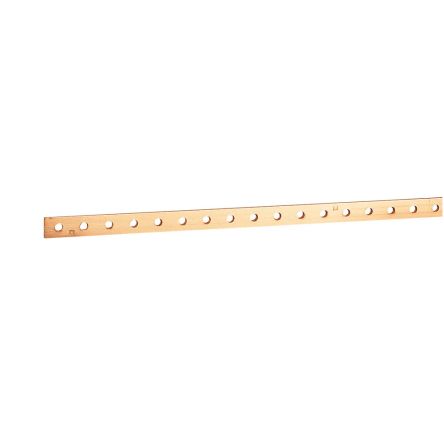
Copper square bar and flat bar for structural fixtures, brackets, and harness components
Custom cross-sections and lengths are available from copper bar suppliers to meet design requirements
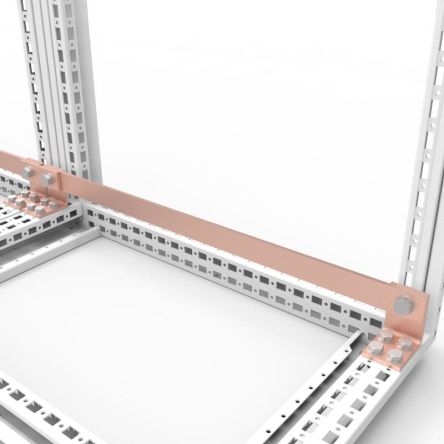
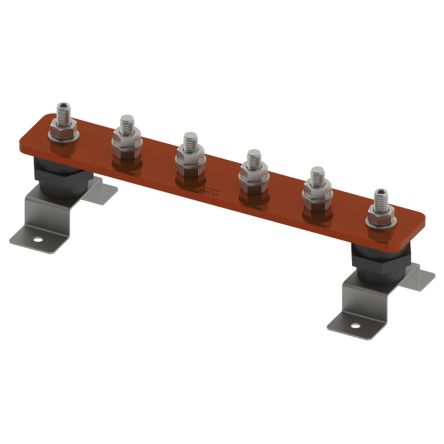
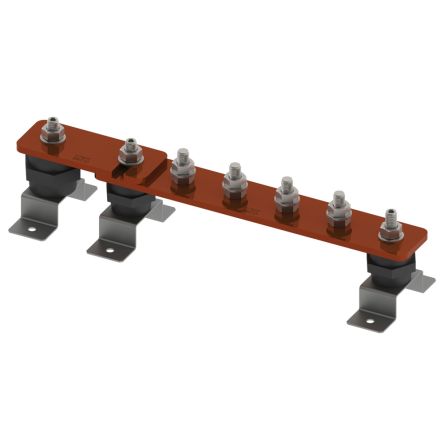
Choosing the right shape depends on mechanical requirements such as stiffness and machinability, as well as electrical needs for cross‑sectional area and current carrying capacity. For electrical applications, round and square sections are common for bus bars and connectors, while flat copper bar is often used in grounding rails and mounting plates. Material grade considerations include electrolytic tough pitch (ETP) copper versus high-purity oxygen-free copper, with purity levels like 99.9% Cu affecting conductivity, corrosion resistance, and ease of fabrication.
What sizes and tolerances are typical for copper bar stock?
Copper bar is stocked in a broad range of diameters, thicknesses, and lengths to accommodate precision machining and assembly needs. Typical round bars range from a few millimeters up to several tens of millimeters in diameter, while flat and square bars are specified by width, thickness, and length. Tolerances vary by grade and manufacturing method (hot-rolled, drawn, or turned and polished). For high-precision work, copper bar stock can be supplied with tight tolerances, controlled surface finishes, and specific annealing states (soft/annealed or hard-drawn) to match the intended process, whether it is turning, milling, drilling, or extrusion. When selecting, you may also specify conductivity class, surface finish, packaging, and traceability notes.
What are typical uses of copper bar?
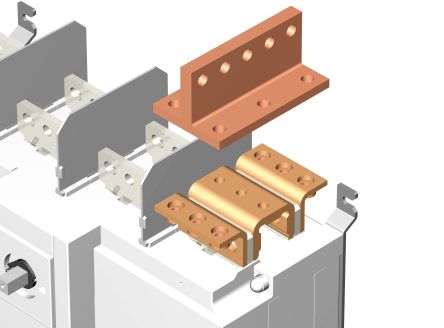
Copper bar is widely used in electrical engineering and manufacturing. Typical applications include bus bars and conductor rails in power distribution, electrical connectors, grounding bars, and heat exchangers where high thermal conductivity is beneficial. In fabrication and machining, copper square bar or flat bar serves as structural components, fixtures, jigs, and corrosion-resistant fittings. Copper round bar is common for shafts, pins, and coupling parts. Depending on purity and alloy content, copper bar stock can serve in plumbing fittings, art and sculpture projects, prototype assemblies, and low-voltage electrical components. For specialized needs, manufacturers sometimes specify two categories: pure copper bars (99.9% Cu) and copper alloys designed for improved machinability or strength.
How do I choose the right copper bar for electrical or thermal performance?
Selection depends on purity, conductivity, mechanical state, and cross‑sectional area. For electrical performance, prioritize high-purity copper (e.g., 99.9% Cu or better), and evaluate the IACS conductivity rating to ensure efficient current flow in bus bars, connectors, and grounding rails. Annealing state affects machinability and formability; annealed copper bar is easier to cut and bend, while hard-drawn copper bar offers higher strength for structural supports. For thermal performance, copper’s exceptional thermal conductivity helps with heat exchangers and cooling rails. Consider environmental exposure (corrosion resistance), compatibility with other metals, and the required tolerances. When in doubt, consult data sheets for conductivity, tensile strength, and elongation, or contact RS Components copper bar suppliers for guidance on form, finish, and pricing.
How should I machine and handle copper bar?
Machining copper bar depends on cross‑section and alloy. Use appropriate tooling (carbide-tipped or high-speed steel) and apply proper lubrication to reduce work hardening and extend tool life. For round bars, turning and drilling are standard; for flat or square bars, milling and punching are common. Deburr edges after cutting to prevent injury and improve assembly fits. When cutting, maintain steady feeds and avoid overheating to protect material properties. Store copper bar in dry conditions to minimize tarnish; for sensitive applications, apply anti-tarnish coating or light protective oil. For tight tolerances, employ precision turning or grinding with careful fixturing and inspection.
What related copper products should I consider alongside copper bar?
If copper bar stock suits your base requirements, you may also explore related products such as copper rod for smaller components, copper plate and copper sheet for enclosures or heat exchangers, and copper strip for flexible conductors and bus bar applications. Copper square bar and copper flat bar are common in fixtures and hardware, while high-purity or alloyed variants extend the range of machinability, strength, or corrosion resistance. For specialized electrical or thermal applications, consider oxygen-free copper or copper alloys designed for improved mechanical properties and fabrication efficiency.
What standards and certifications apply to copper bar?
Copper bar and copper bar stock are produced to widely adopted industry standards. Look for data sheets that reference purity (for example 99.9% Cu), IACS conductivity, cross‑sectional tolerances, annealing state, and surface finish. Standards from organizations such as ASTM and EN cover copper shapes, dimensions, and mechanical properties, while supplier certifications ensure traceability, testing, and packaging integrity. When sourcing from RS Components, verify grade information, certification details, material specification, and any required compliance marks to ensure the copper bar meets your design and procurement requirements.
Where can I source copper bar and how is pricing determined?
Copper bar stock is available from metal distributors and electronics suppliers worldwide. RS Components offers copper bar in multiple shapes and sizes with competitive pricing. Pricing is influenced by purity level (e.g., 99.9% Cu), cross-sectional dimensions (round, square, flat), bar length, and current copper market prices. Bulk quantities, annealing state, and surface finish also affect cost. You can request quotes, check stock availability, compare alternative grades, and review lead times to plan procurement for projects that require copper bar stock, copper round bar, or copper flat bar.