


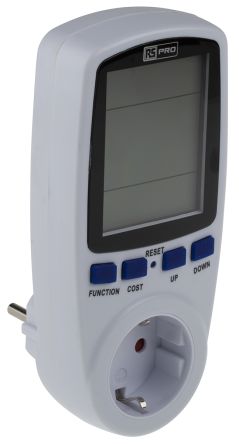
RS PRO Digital Energy Meter, Type Energy Meter
RS Stock No. 178-5373
Brand RS Pro
- Brand: RS Pro
- Manufacturer: RS Pro
- Section: Automation & Control Gear
€ 43.17
39 in stock now
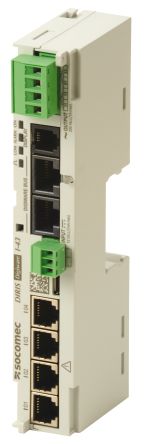
Socomec Digital Energy Meter, Type Energy Meter
RS Stock No. 221-0398
Brand Socomec
- Brand: Socomec
- Category: Energy Meters
- Super Section: Process Control
€ 1.030.42
Temporarily out of stock
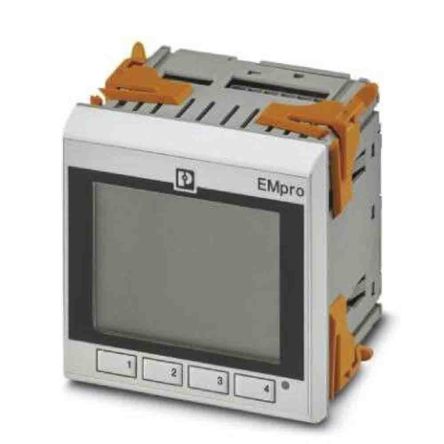
Phoenix Contact 3 Phase Digital Energy Meter, Type Energy Meter
RS Stock No. 220-5793
Brand Phoenix Contact
- Brand: Phoenix Contact
- Section: Automation & Control Gear
- Super Section: Process Control
€ 620.55
Temporarily out of stock
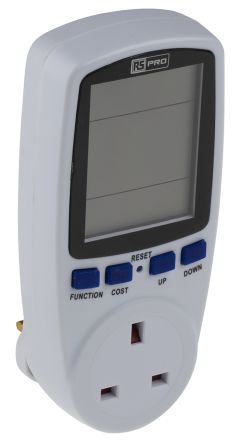
RS PRO Digital Energy Meter, Type Digital
RS Stock No. 178-5370
Brand RS Pro
- Category: Energy Meters
- Meter Type: Digital
- Super Section: Process Control
€ 41.92
104 in stock now
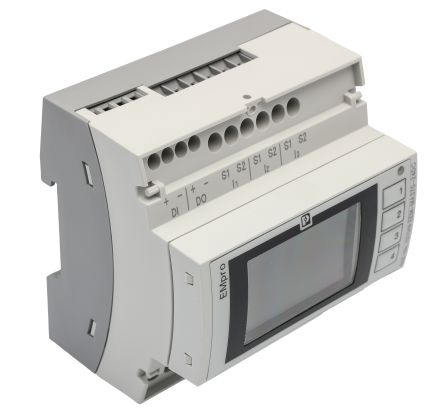
Phoenix Contact 3 Phase Digital Energy Meter, Type Energy Meter
RS Stock No. 220-5796
Brand Phoenix Contact
- Category: Energy Meters
- Section: Automation & Control Gear
- Super Section: Process Control
€ 589.38
4 in stock now
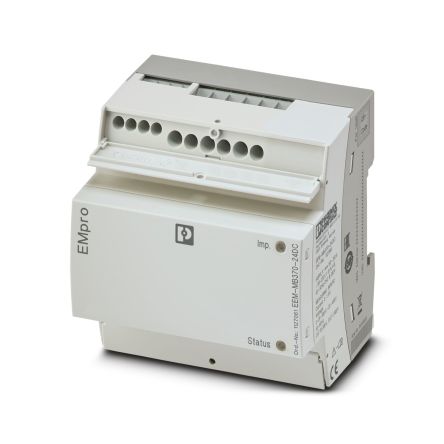
Phoenix Contact 3 Phase Digital Energy Meter, Type Energy Meter
RS Stock No. 220-5798
Brand Phoenix Contact
- Brand: Phoenix Contact
- Section: Automation & Control Gear
- Super Section: Process Control
€ 511.63
Temporarily out of stock
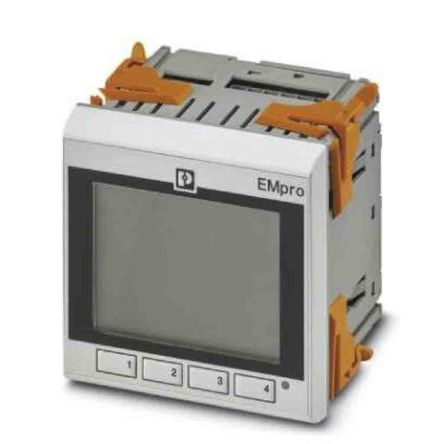
Phoenix Contact 3 Phase Digital Energy Meter, Type Energy Meter
RS Stock No. 220-5797
Brand Phoenix Contact
- Brand: Phoenix Contact
- Section: Automation & Control Gear
- Super Section: Process Control
€ 620.55
Temporarily out of stock
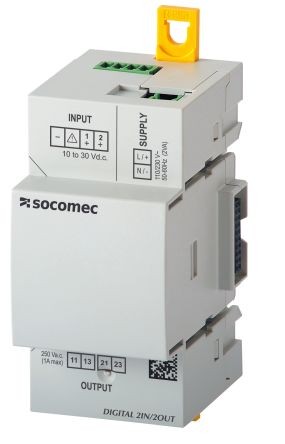
Socomec 3 Phase Digital Energy Meter, Type Energy Meter
RS Stock No. 221-0394
Brand Socomec
- Brand: Socomec
- Section: Automation & Control Gear
- Super Section: Process Control
€ 267.86
Temporarily out of stock
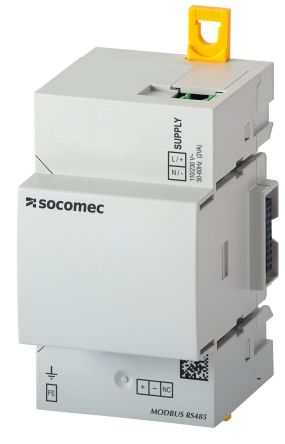
Socomec 3 Phase Digital Energy Meter, Type Energy Meter
RS Stock No. 221-0396
Brand Socomec
- Brand: Socomec
- Category: Energy Meters
- Section: Automation & Control Gear
€ 371.79
Temporarily out of stock
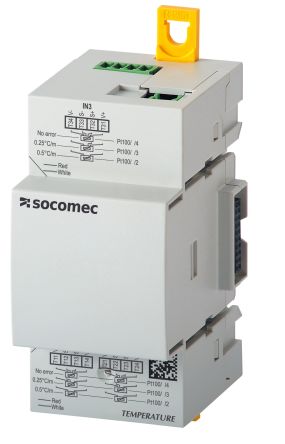
Socomec 3 Phase Digital Energy Meter, Type Energy Meter
RS Stock No. 221-0395
Brand Socomec
- Category: Energy Meters
- Section: Automation & Control Gear
- Super Section: Process Control
€ 327.87
Temporarily out of stock
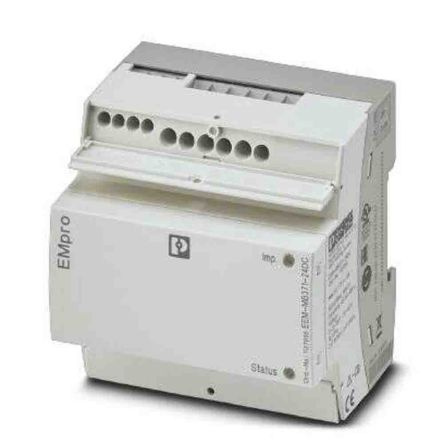
Phoenix Contact 3 Phase Digital Energy Meter, Type Energy Meter
RS Stock No. 220-5794
Brand Phoenix Contact
- Category: Energy Meters
- Section: Automation & Control Gear
- Super Section: Process Control
€ 511.63
Temporarily out of stock

Siemens Digital Energy Meter
RS Stock No. 180-9620
Brand Siemens
- Brand: Siemens
- Category: Energy Meters
- Super Section: Process Control
€ 3.815.20
Temporarily out of stock
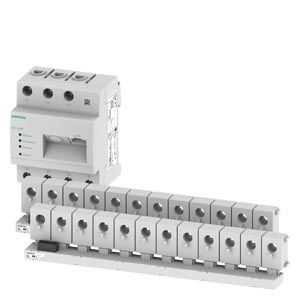
Siemens Digital Energy Meter
RS Stock No. 180-9621
Brand Siemens
- Brand: Siemens
- Category: Energy Meters
- Super Section: Process Control
€ 4.743.90
Temporarily out of stock
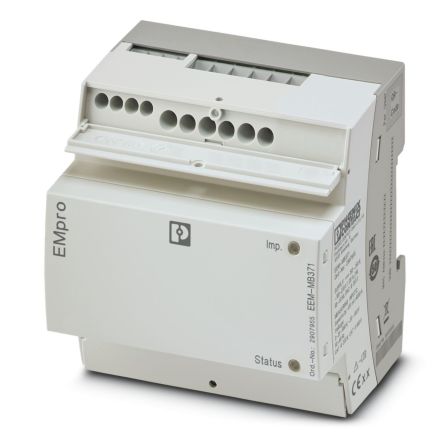
Phoenix Contact 3 Phase Digital Energy Meter, Type Digital
RS Stock No. 191-4374
Brand Phoenix Contact
- Brand: Phoenix Contact
- Category: Energy Meters
- Super Section: Process Control
€ 511.63
Temporarily out of stock
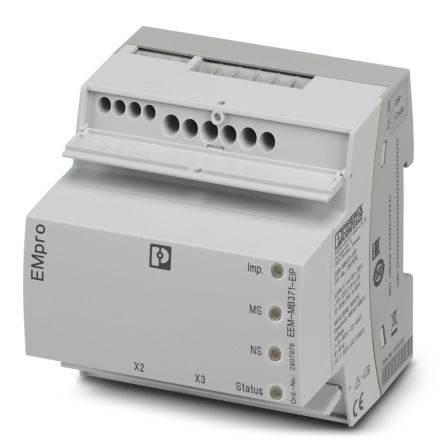
Phoenix Contact 3 Phase Digital Energy Meter, Type Digital
RS Stock No. 191-4376
Brand Phoenix Contact
- Brand: Phoenix Contact
- Category: Energy Meters
- Super Section: Process Control
€ 1.108.19
Temporarily out of stock
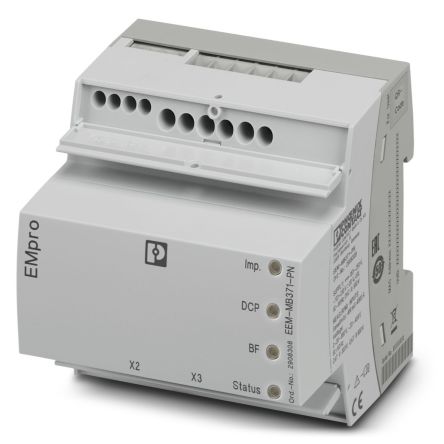
Phoenix Contact 3 Phase Digital Energy Meter, Type Digital
RS Stock No. 191-4385
Brand Phoenix Contact
- Brand: Phoenix Contact
- Category: Energy Meters
- Super Section: Process Control
€ 823.22
Temporarily out of stock
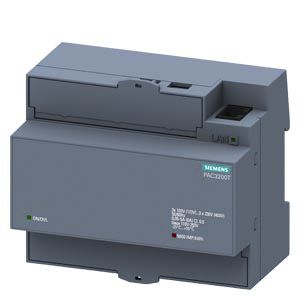
Siemens 3 Phase Digital Energy Meter, Type Digital
RS Stock No. 180-9618
Brand Siemens
- Brand: Siemens
- Category: Energy Meters
- Section: Automation & Control Gear
€ 423.01
27 in stock now
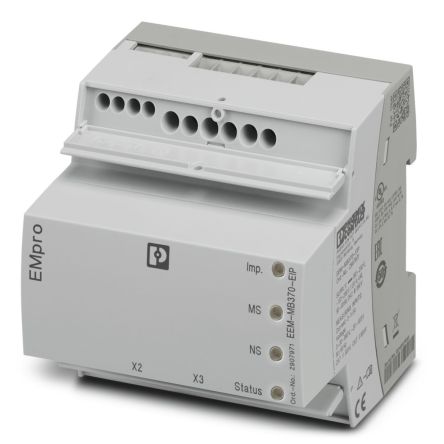
Phoenix Contact 3 Phase Digital Energy Meter, Type Digital
RS Stock No. 191-4375
Brand Phoenix Contact
- Brand: Phoenix Contact
- Category: Energy Meters
- Super Section: Process Control
€ 1.108.19
Temporarily out of stock
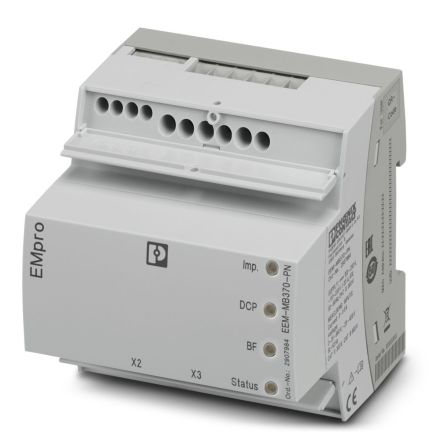
Phoenix Contact 3 Phase Digital Energy Meter, Type Digital
RS Stock No. 191-4378
Brand Phoenix Contact
- Brand: Phoenix Contact
- Category: Energy Meters
- Super Section: Process Control
€ 823.22
1 in stock now
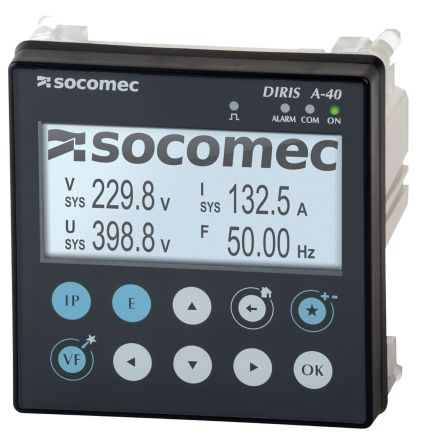
Socomec 3 Phase Digital Energy Meter, Type Digital
RS Stock No. 184-9454
Brand Socomec
- Brand: Socomec
- Category: Energy Meters
- Section: Automation & Control Gear
€ 1.649.32
1 in stock now
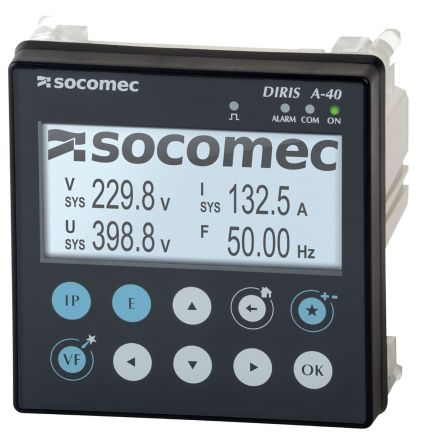
Socomec 3 Phase Digital Energy Meter, Type Digital
RS Stock No. 184-9455
Brand Socomec
- Brand: Socomec
- Category: Energy Meters
- Super Section: Process Control
€ 1.763.08
6 in stock now
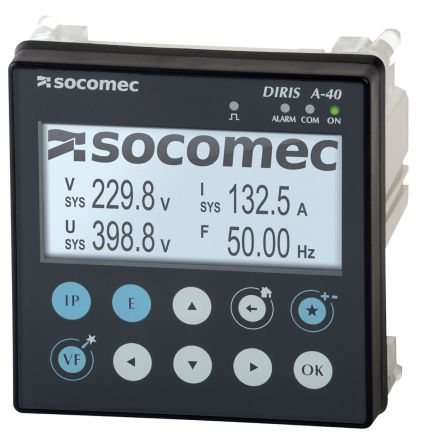
Socomec 3 Phase Digital Energy Meter, Type Digital
RS Stock No. 184-9456
Brand Socomec
- Category: Energy Meters
- Section: Automation & Control Gear
- Super Section: Process Control
€ 2.597.85
in stock now
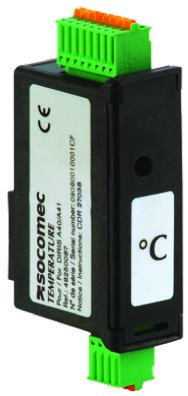
Socomec 3 Phase Digital Energy Meter
RS Stock No. 709-9684
Brand Socomec
- Category: Energy Meters
- Section: Automation & Control Gear
- Super Section: Process Control
€ 315.99
2 in stock now
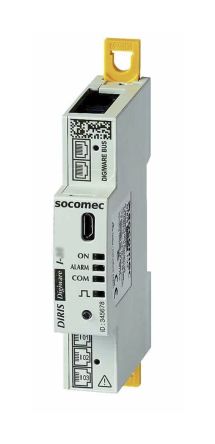
Socomec 3 Phase Digital Energy Meter, Type Electronic
RS Stock No. 122-0537
Brand Socomec
- Category: Energy Meters
- Section: Automation & Control Gear
- Super Section: Process Control
€ 371.79
9 in stock now

...
What is a digital energy meter?
- kWh metering for precise billing and tariff metering
- Voltage, current, power, energy, and power factor measurements
- Data logging and export for energy reporting and sustainability programs
- Communications options such as RS485 Modbus, Modbus TCP, M‑Bus, Ethernet, and optional Wi‑Fi
What are the main types of digital energy meters?
- Single‑phase direct‑connect meters: compact meters designed for low to moderate current (often up to 100 A) that connect directly to the circuit without external current transformers.
- Single‑phase CT or split‑core CT meters: suitable for higher currents or retrofits where direct connection is not possible.
- Three‑phase four‑wire meters: measure voltage, current, and energy for three‑phase systems with neutral, common in commercial and industrial settings.
- Three‑phase three‑wire meters: used for certain 3‑phase configurations with limited neutral connections.
- Bidirectional and tariff meters: capable of tracking export/import energy for renewable generation and dynamic tariffs.
- DIN rail mounted vs panel mounted: DIN rail meters are common in electrical cabinets; panel‑mount meters suit larger enclosures or dedicated panels.
What features should I look for when buying a digital energy meter?
- Accuracy class: common classes include 0.5s, 1.0, or higher. Higher accuracy is important for precise billing and load profiling.
- Measurement channels and ranges: number of voltage/current inputs, ability to measure active/reactive energy, and phase‑level details for 3‑phase systems.
- Power measurement: real power (kW), apparent power (kVA), reactive power (kVAr), and power factor.
- Energy measurement: total active energy (kWh), reactive energy (kVArh), and time‑based energy reporting (daily, monthly totals).
- Reporting and data logging: internal memory size, logging intervals, and export formats (CSV, XML) for energy dashboards and billing systems.
- Communications: RS485 (Modbus RTU), Modbus TCP/IP, M‑Bus, Ethernet, Wi‑Fi, or Bluetooth for integration with SCADA, BMS, or data historians.
- Display and user interface: clear LCD or LED readouts, on‑device display, and remote access for quick checks.
- Mounting and enclosure: DIN rail compatibility, IP rating (for harsh environments), and temperature range appropriate to the installation.
- Safety and approvals: compliance with IEC standards (IEC 62053, IEC 61010), electrical safety, and grid connection requirements.
- Compatibility with tariffs and submetering: support for tariff metering, export/import energy tracking, and submetering capabilities for zones or equipment.
- Expansion and integration: ability to scale with additional meters, and easy integration into building management systems (BMS) or energy management software.
How does a digital energy meter work?
- The meter measures instantaneous voltage (V) and current (A) from one or more phases.
- By applying mathematical operations, it computes real power (P = V × I × cosφ) and reactive power (Q), then derives apparent power (S) and power factor (cosφ).
- Active energy (kWh) and reactive energy (kVArh) are accumulated by integrating power over time, with the meter maintaining daily, monthly, and total tallies.
- Direct‑connect meters sense current directly up to a specific limit, while CT (current transformer) meters use external CTs to measure higher currents without passing through the meter’s internal shunt.
- Digital meters store data in internal memory and often export readings via serial or Ethernet interfaces for energy dashboards, tariff analysis, and submetering reports.
How do I install and interpret a digital energy meter safely?
- Power down the panel and verify isolation before connecting meters, CTs, and wiring.
- Mount on an appropriate enclosure or DIN rail as specified; ensure correct phase wiring for 3‑phase meters.
- Connect current transformers correctly, observing polarity and CT ratios; avoid twisted or overlapping conductors that can affect accuracy.
- Verify voltage connections and ensure proper grounding; use surge protection where recommended.
- Configure communication ports (RS485, Modbus TCP, M‑Bus, Ethernet) and set address or IP parameters for remote monitoring.
- Perform safety checks, confirm readings against a known reference source if available, and document firmware versions and calibration status.
What industries and applications are best suited for digital energy meters?
- Residential and multi‑family buildings for submetering and tariff optimization
- Commercial offices, retail, and hospitality for demand management and energy budgeting
- Industrial facilities and manufacturing floors for power quality monitoring, process control, and energy analytics
- Data centers and server rooms for granular power monitoring, PUE improvements, and DCIM integration
- Solar, wind, and other distributed generation projects requiring export/import metering and tariff reconciliation
How should I read and interpret the data from a digital energy meter?
- Real‑time values: voltage, current, active power (kW), reactive power (kVAr), and power factor indicate current operating conditions.
- Energy totals: cumulative active energy (kWh) and reactive energy (kVArh) show consumption over time and are used for billing or tariff analysis.
- Phase and channel details: phase‑by‑phase readings in 3‑phase systems enable imbalance detection and targeted improvements.
- Tariff and time‑of‑use: examine energy use by time window or tariff class to optimize demand charges and running costs.
- Historical trends: data logging supports trend analysis, peak shaving, and capacity planning for facilities management.
What about communications, integration, and compatibility with building management systems?
- RS485 Modbus RTU/Modbus TCP for robust industrial connectivity and integration with SCADA and energy dashboards.
- M‑Bus for easy integration with legacy building systems and utility networks.
- Ethernet or Wi‑Fi for remote monitoring and cloud‑based energy analytics.
- Bluetooth or USB for local access and configuration during commissioning.
- Support for standard data formats (CSV, XML, JSON) to feed into submetering platforms, energy dashboards, and tariff calculation tools.
What is the difference between a digital energy meter and a power quality meter?
What should I consider regarding maintenance, calibration, and long‑term accuracy?
- Calibration intervals recommended by the manufacturer or regulatory bodies, especially for metering accuracy requirements.
- Replacement of worn components, verification of CT ratios, and inspection of wiring connections during service visits.
- Software updates to fix bugs, improve data security, and enhance communication features.
- Documenting serial numbers, firmware versions, and calibration certificates for audit readiness and customer support.