Filterclose-icon
AttributeType open-filters-icon close-filters-icon
AttributeType
Brand open-filters-icon close-filters-icon
Brand
Category open-filters-icon close-filters-icon
Category
Select quantity close-icon
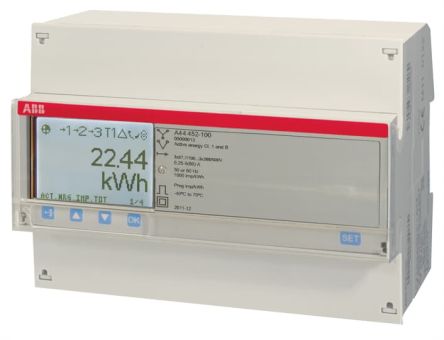
Siemens 3 Phase LCD Energy MeterEnergy Meter

Siemens 3 Phase LCD Energy MeterEnergy Meter

RS Stock No. 061-3354

Brand Siemens

  • Brand: Siemens
  • Category: Energy Meters
  • Super Section: Process Control

€ 404.11

in stock now

Add to basket
Select quantity close-icon
Chauvin Arnoux Energy 3 Phase LCD Energy Meter

Chauvin Arnoux Energy 3 Phase LCD Energy Meter

RS Stock No. 260-5858

Brand Chauvin Arnoux Energy

  • Cutout Width: 55mm
  • Pulse Output: Yes
  • Series: ULYS FLEX

€ 2.170.18

1 in stock now

Add to basket
Select quantity close-icon
Chauvin Arnoux Energy 3 Phase LCD Energy Meter

Chauvin Arnoux Energy 3 Phase LCD Energy Meter

RS Stock No. 260-5860

Brand Chauvin Arnoux Energy

  • Manufacturer: Chauvin Arnoux Energy
  • Number of Phases: 3
  • Section: Automation & Control Gear

€ 1.882.84

1 in stock now

Add to basket
Select quantity close-icon
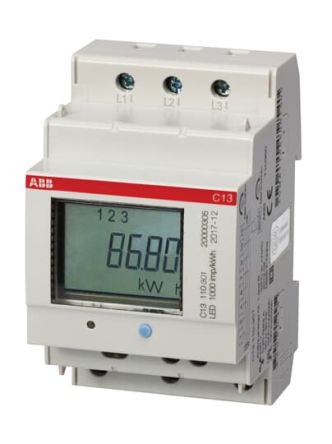
RS PRO 3 Phase Energy Meter

RS PRO 3 Phase Energy Meter

RS Stock No. 179-7572

Brand RS Pro

  • Category: Energy Meters
  • Section: Automation & Control Gear
  • Super Section: Process Control

€ 134.29

Temporarily out of stock

Add to basket
Select quantity close-icon
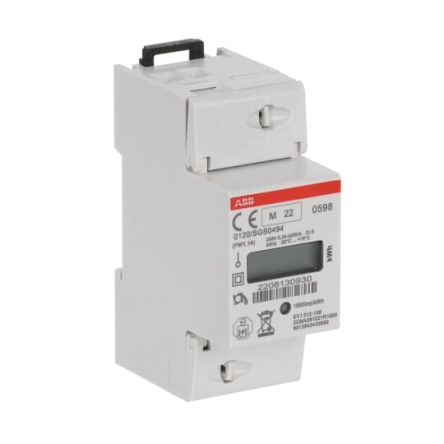
Chauvin Arnoux Energy 1 Phase LCD Energy Meter

Chauvin Arnoux Energy 1 Phase LCD Energy Meter

RS Stock No. 174-4211

Brand Chauvin Arnoux Energy

  • Maximum Temperature: +55°C
  • Pulse Output: Yes
  • Series: MEMO MD32

€ 57.81

18 in stock now

Add to basket
Select quantity close-icon
Chauvin Arnoux Energy 1 Phase LCD Energy Meter

Chauvin Arnoux Energy 1 Phase LCD Energy Meter

RS Stock No. 174-4213

Brand Chauvin Arnoux Energy

  • Minimum Temperature: -25°C
  • Number Of Digits: 6
  • Section: Automation & Control Gear

€ 115.60

1 in stock now

Add to basket
Select quantity close-icon
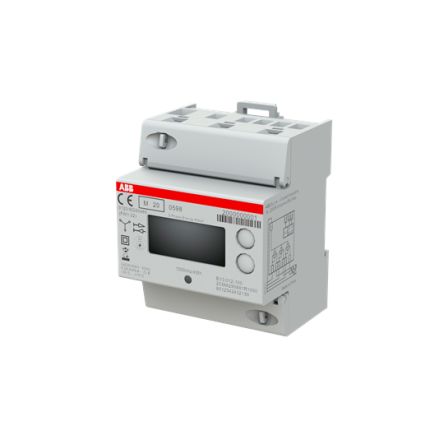
Chauvin Arnoux Energy 3 Phase LCD Energy Meter

Chauvin Arnoux Energy 3 Phase LCD Energy Meter

RS Stock No. 174-4214

Brand Chauvin Arnoux Energy

  • Meter Accuracy: Class 1
  • Number Of Digits: 8
  • Pulse Output: Yes

€ 212.81

37 in stock now

Add to basket
Select quantity close-icon
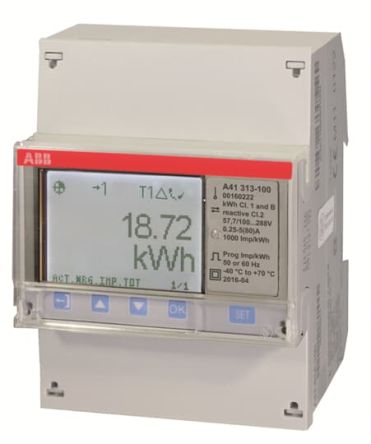
RS PRO Energy MeterEnergy Meter

RS PRO Energy MeterEnergy Meter

RS Stock No. 178-5373

Brand RS Pro

  • Brand: RS Pro
  • Manufacturer: RS Pro
  • Section: Automation & Control Gear

€ 42.42

49 in stock now

Add to basket
Select quantity close-icon
Chauvin Arnoux Energy 3 Phase LCD Energy Meter

Chauvin Arnoux Energy 3 Phase LCD Energy Meter

RS Stock No. 124-2455

Brand Chauvin Arnoux Energy

  • Category: Energy Meters
  • Minimum Temperature: -25°C
  • Number Of Digits: 8

€ 470.29

9 in stock now

Add to basket
Select quantity close-icon
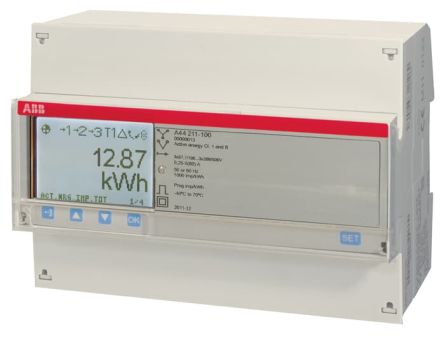
Siemens Graphical Display Energy Meter

Siemens Graphical Display Energy Meter

RS Stock No. 269-9772

Brand Siemens

  • Brand: Siemens
  • Section: Automation & Control Gear
  • Super Section: Process Control

€ 258.50

1 in stock now

Add to basket
Select quantity close-icon
Chauvin Arnoux Energy 3 Phase Backlit LCD Energy MeterEnergy Meter

Chauvin Arnoux Energy 3 Phase Backlit LCD Energy MeterEnergy Meter

RS Stock No. 260-5857

Brand Chauvin Arnoux Energy

  • Brand: Chauvin Arnoux Energy
  • Number Of Digits: 4
  • Pulse Output: Yes

€ 2.067.71

3 in stock now

Add to basket
Select quantity close-icon
ENTES 1 Phase LCD Energy MeterEnergy Meter

ENTES 1 Phase LCD Energy MeterEnergy Meter

RS Stock No. 062-8986

Brand ENTES

  • Category: Energy Meters
  • Number Of Digits: 7
  • Super Section: Process Control

€ 114.94

in stock now

Add to basket
Select quantity close-icon
ENTES 1 Phase LCD Energy MeterEnergy Meter

ENTES 1 Phase LCD Energy MeterEnergy Meter

RS Stock No. 062-8987

Brand ENTES

  • Brand: ENTES
  • Category: Energy Meters
  • Meter Type: Energy Meter

€ 133.31

in stock now

Add to basket
Select quantity close-icon
ENTES 1 Phase LCD Energy MeterEnergy Meter

ENTES 1 Phase LCD Energy MeterEnergy Meter

RS Stock No. 062-8898

Brand ENTES

  • Category: Energy Meters
  • Display Type: LCD
  • Section: Automation & Control Gear

€ 131.27

in stock now

Add to basket
Select quantity close-icon
ENTES 1 Phase LCD Energy MeterEnergy Meter

ENTES 1 Phase LCD Energy MeterEnergy Meter

RS Stock No. 062-8984

Brand ENTES

  • Display Type: LCD
  • Number of Phases: 1
  • Super Section: Process Control

€ 72.93

in stock now

Add to basket
Select quantity close-icon
ENTES 1 Phase LCD Energy MeterEnergy Meter

ENTES 1 Phase LCD Energy MeterEnergy Meter

RS Stock No. 062-8985

Brand ENTES

  • Category: Energy Meters
  • Meter Type: Energy Meter
  • Number of Phases: 1

€ 84.50

in stock now

Add to basket
Select quantity close-icon
ENTES 1 Phase LCD Energy MeterEnergy Meter

ENTES 1 Phase LCD Energy MeterEnergy Meter

RS Stock No. 062-8988

Brand ENTES

  • Category: Energy Meters
  • Meter Type: Energy Meter
  • Number of Phases: 1

€ 109.38

in stock now

Add to basket
Select quantity close-icon
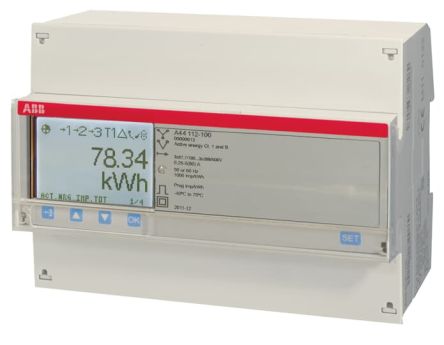
RS PRO 3 Phase LED Energy Meter

RS PRO 3 Phase LED Energy Meter

RS Stock No. 179-7578

Brand RS Pro

  • Brand: RS Pro
  • Section: Automation & Control Gear
  • Super Section: Process Control

€ 166.92

Temporarily out of stock

Add to basket
Select quantity close-icon
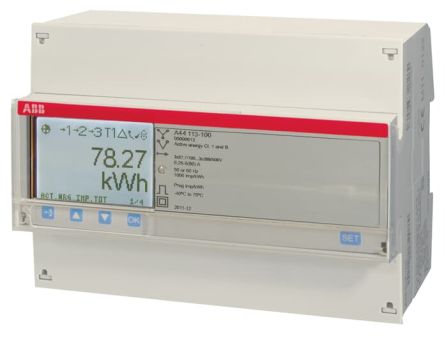
RS PRO 3 Phase LED Energy Meter

RS PRO 3 Phase LED Energy Meter

RS Stock No. 179-7579

Brand RS Pro

  • Category: Energy Meters
  • Section: Automation & Control Gear
  • Super Section: Process Control

€ 573.54

10 in stock now

Add to basket
Select quantity close-icon
Siemens 3 Phase Energy Meter

Siemens 3 Phase Energy Meter

RS Stock No. 180-9618

Brand Siemens

  • Brand: Siemens
  • Category: Energy Meters
  • Section: Automation & Control Gear

€ 423.01

28 in stock now

Add to basket
Select quantity close-icon
Chauvin Arnoux Energy 3 Phase Backlit LCD Power Monitoring DeviceEnergy Meter

Chauvin Arnoux Energy 3 Phase Backlit LCD Power Monitoring DeviceEnergy Meter

RS Stock No. 260-5855

Brand Chauvin Arnoux Energy

  • Brand: Chauvin Arnoux Energy
  • Section: Automation & Control Gear
  • Super Section: Process Control

€ 328.42

1 in stock now

Add to basket
Select quantity close-icon
Gossen Metrawatt LCD Energy MeterEnergy Meter

Gossen Metrawatt LCD Energy MeterEnergy Meter

RS Stock No. 064-5147

Brand Gossen Metrawatt

  • Cutout Width: 72mm
  • Display Type: LCD
  • Number Of Digits: 7

€ 527.10

in stock now

Add to basket
Select quantity close-icon
Gossen Metrawatt LCD Energy MeterEnergy Meter

Gossen Metrawatt LCD Energy MeterEnergy Meter

RS Stock No. 064-5148

Brand Gossen Metrawatt

  • Brand: Gossen Metrawatt
  • Category: Energy Meters
  • Super Section: Process Control

€ 572.28

in stock now

Add to basket
Select quantity close-icon
Chauvin Arnoux Energy 3 Phase Backlit LCD Power Monitoring DeviceEnergy Meter

Chauvin Arnoux Energy 3 Phase Backlit LCD Power Monitoring DeviceEnergy Meter

RS Stock No. 260-5854

Brand Chauvin Arnoux Energy

  • Category: Energy Meters
  • Section: Automation & Control Gear
  • Super Section: Process Control

€ 310.03

2 in stock now

Add to basket

...

What is a digital energy meter?

A digital energy meter, also known as an energy meter, kWh meter, or power meter, is an electronic device that measures and displays electrical energy usage and related electrical parameters with digital processing. It converts the instantaneous voltage and current in a circuit into accurate energy data and stores or transmits that information for billing, energy management, monitoring, and optimization. Typical outputs include active energy (kWh), reactive energy (kVArh), real power (kW), apparent power (kVA), voltage (V), current (A), frequency (Hz), and power factor. Modern digital energy meters support single‑phase and three‑phase systems, direct‑connect designs for lower current ranges, and CT‑based designs for higher currents. They are widely used in homes, offices, factories, data centers, solar installations, and industrial facilities, and they commonly mount on DIN rails or in electrical panels.
  • kWh metering for precise billing and tariff metering
  • Voltage, current, power, energy, and power factor measurements
  • Data logging and export for energy reporting and sustainability programs
  • Communications options such as RS485 Modbus, Modbus TCP, M‑Bus, Ethernet, and optional Wi‑Fi

What are the main types of digital energy meters?

Digital energy meters come in several form factors to suit different installation needs and current ranges:
  • Single‑phase direct‑connect meters: compact meters designed for low to moderate current (often up to 100 A) that connect directly to the circuit without external current transformers.
  • Single‑phase CT or split‑core CT meters: suitable for higher currents or retrofits where direct connection is not possible.
  • Three‑phase four‑wire meters: measure voltage, current, and energy for three‑phase systems with neutral, common in commercial and industrial settings.
  • Three‑phase three‑wire meters: used for certain 3‑phase configurations with limited neutral connections.
  • Bidirectional and tariff meters: capable of tracking export/import energy for renewable generation and dynamic tariffs.
  • DIN rail mounted vs panel mounted: DIN rail meters are common in electrical cabinets; panel‑mount meters suit larger enclosures or dedicated panels.
In addition, meters vary by accuracy class, communication interface, and data logging capabilities, so choosing the right type depends on your voltage level, current rating, and monitoring needs.

What features should I look for when buying a digital energy meter?

When selecting a digital energy meter, consider the following features to ensure value and compatibility with your energy management goals:
  • Accuracy class: common classes include 0.5s, 1.0, or higher. Higher accuracy is important for precise billing and load profiling.
  • Measurement channels and ranges: number of voltage/current inputs, ability to measure active/reactive energy, and phase‑level details for 3‑phase systems.
  • Power measurement: real power (kW), apparent power (kVA), reactive power (kVAr), and power factor.
  • Energy measurement: total active energy (kWh), reactive energy (kVArh), and time‑based energy reporting (daily, monthly totals).
  • Reporting and data logging: internal memory size, logging intervals, and export formats (CSV, XML) for energy dashboards and billing systems.
  • Communications: RS485 (Modbus RTU), Modbus TCP/IP, M‑Bus, Ethernet, Wi‑Fi, or Bluetooth for integration with SCADA, BMS, or data historians.
  • Display and user interface: clear LCD or LED readouts, on‑device display, and remote access for quick checks.
  • Mounting and enclosure: DIN rail compatibility, IP rating (for harsh environments), and temperature range appropriate to the installation.
  • Safety and approvals: compliance with IEC standards (IEC 62053, IEC 61010), electrical safety, and grid connection requirements.
  • Compatibility with tariffs and submetering: support for tariff metering, export/import energy tracking, and submetering capabilities for zones or equipment.
  • Expansion and integration: ability to scale with additional meters, and easy integration into building management systems (BMS) or energy management software.
These features together determine how effectively a digital energy meter supports energy auditing, demand response, and cost optimization in industrial, commercial, or residential projects.

How does a digital energy meter work?

A digital energy meter works by sampling the electrical parameters of a circuit and translating them into meaningful energy data. In a typical setup:
  • The meter measures instantaneous voltage (V) and current (A) from one or more phases.
  • By applying mathematical operations, it computes real power (P = V × I × cosφ) and reactive power (Q), then derives apparent power (S) and power factor (cosφ).
  • Active energy (kWh) and reactive energy (kVArh) are accumulated by integrating power over time, with the meter maintaining daily, monthly, and total tallies.
  • Direct‑connect meters sense current directly up to a specific limit, while CT (current transformer) meters use external CTs to measure higher currents without passing through the meter’s internal shunt.
  • Digital meters store data in internal memory and often export readings via serial or Ethernet interfaces for energy dashboards, tariff analysis, and submetering reports.
In practice, this enables accurate energy management, utility billing, load profiling, and performance monitoring in facilities ranging from small offices to large data centers and industrial plants.

How do I install and interpret a digital energy meter safely?

Installation should follow the manufacturer’s instructions and applicable electrical safety standards. Key steps and considerations include:
  • Power down the panel and verify isolation before connecting meters, CTs, and wiring.
  • Mount on an appropriate enclosure or DIN rail as specified; ensure correct phase wiring for 3‑phase meters.
  • Connect current transformers correctly, observing polarity and CT ratios; avoid twisted or overlapping conductors that can affect accuracy.
  • Verify voltage connections and ensure proper grounding; use surge protection where recommended.
  • Configure communication ports (RS485, Modbus TCP, M‑Bus, Ethernet) and set address or IP parameters for remote monitoring.
  • Perform safety checks, confirm readings against a known reference source if available, and document firmware versions and calibration status.
Proper installation supports ongoing accuracy, reliable data logging, and stable integration with energy management systems, building management systems, and submetering networks.

What industries and applications are best suited for digital energy meters?

Digital energy meters are used across residential, commercial, and industrial sectors to support energy efficiency, load management, and regulatory compliance. Common applications include:
  • Residential and multi‑family buildings for submetering and tariff optimization
  • Commercial offices, retail, and hospitality for demand management and energy budgeting
  • Industrial facilities and manufacturing floors for power quality monitoring, process control, and energy analytics
  • Data centers and server rooms for granular power monitoring, PUE improvements, and DCIM integration
  • Solar, wind, and other distributed generation projects requiring export/import metering and tariff reconciliation
These meters also support energy management programs, smart grid readiness, and sustainability reporting in large facilities and campuses.

How should I read and interpret the data from a digital energy meter?

Interpreting meter data helps optimize energy use and control costs. Key interpretations include:
  • Real‑time values: voltage, current, active power (kW), reactive power (kVAr), and power factor indicate current operating conditions.
  • Energy totals: cumulative active energy (kWh) and reactive energy (kVArh) show consumption over time and are used for billing or tariff analysis.
  • Phase and channel details: phase‑by‑phase readings in 3‑phase systems enable imbalance detection and targeted improvements.
  • Tariff and time‑of‑use: examine energy use by time window or tariff class to optimize demand charges and running costs.
  • Historical trends: data logging supports trend analysis, peak shaving, and capacity planning for facilities management.
Integrating meter data with a building management system or energy management software enhances visibility, dashboards, and alerts for anomalies or unusual consumption patterns.

What about communications, integration, and compatibility with building management systems?

Digital energy meters offer multiple communication options to fit modern automation and monitoring setups:
  • RS485 Modbus RTU/Modbus TCP for robust industrial connectivity and integration with SCADA and energy dashboards.
  • M‑Bus for easy integration with legacy building systems and utility networks.
  • Ethernet or Wi‑Fi for remote monitoring and cloud‑based energy analytics.
  • Bluetooth or USB for local access and configuration during commissioning.
  • Support for standard data formats (CSV, XML, JSON) to feed into submetering platforms, energy dashboards, and tariff calculation tools.
When selecting a meter, verify compatibility with your BMS, SCADA, or energy management software, and confirm supported protocols, addressing, and data load capabilities. This ensures seamless integration for submetering, load profiling, demand response, and energy intelligence initiatives.

What is the difference between a digital energy meter and a power quality meter?

A digital energy meter focuses on measuring and recording electrical energy use and basic electrical parameters for billing and energy management. A power quality meter goes further, monitoring waveform integrity, voltage sags/swells, harmonics, flicker, and transients to assess the quality of power supplied to sensitive equipment. Some devices combine both functions in a single unit, offering comprehensive energy metering alongside power quality analytics. Whether you need submetering for tariff calculations, or detailed power quality analysis for critical loads, choose a meter that provides the necessary accuracy, channels, and communication options.

What should I consider regarding maintenance, calibration, and long‑term accuracy?

Regular maintenance and calibration help maintain trusted readings and compliance with standards. Consider:
  • Calibration intervals recommended by the manufacturer or regulatory bodies, especially for metering accuracy requirements.
  • Replacement of worn components, verification of CT ratios, and inspection of wiring connections during service visits.
  • Software updates to fix bugs, improve data security, and enhance communication features.
  • Documenting serial numbers, firmware versions, and calibration certificates for audit readiness and customer support.
Proper maintenance ensures continued reliability for energy management, tariff accuracy, and compliance reporting.