


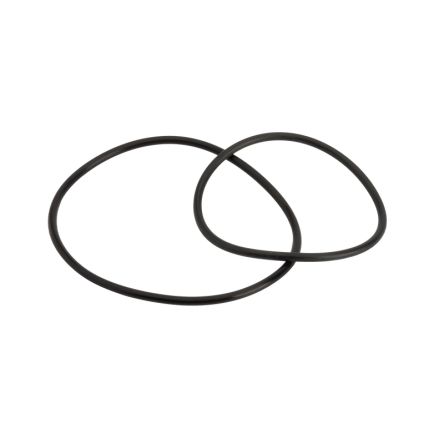
SKF Rubber Rubber Seal O-Ring
RS Stock No. 030-8866
Brand SKF
- Brand: SKF
- Category: Gaskets & O-Rings
- Super Section: Gaskets, Seals & Packings
€ 106.05
in stock now
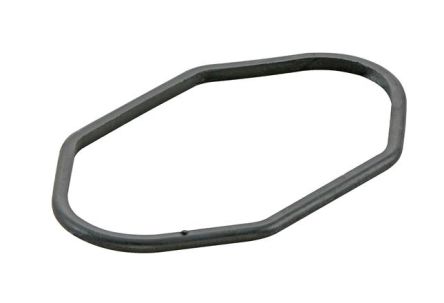
HARTING Nitrile Rubber (NBR) Rubber Seal O-Ring
RS Stock No. 016-2479
Brand HARTING
- Manufacturer: Harting
- Material: NBR
- Super Section: Gaskets, Seals & Packings
€ 13.68
in stock now
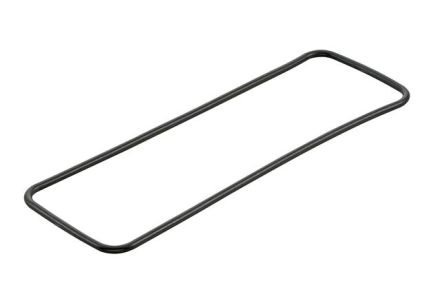
HARTING Nitrile Rubber (NBR) Rubber Seal O-Ring
RS Stock No. 016-2480
Brand HARTING
- Brand: HARTING
- Manufacturer: Harting
- Type: Rubber Seal
€ 14.56
in stock now
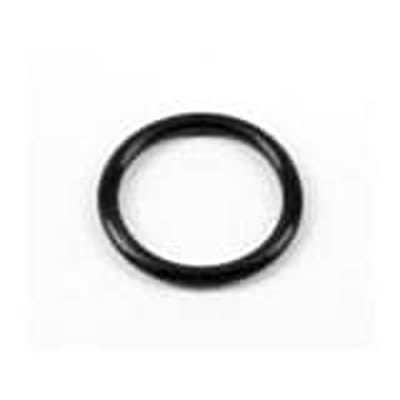
Parker Nitrile Rubber (NBR) Rubber Seal O-Ring
RS Stock No. 281-2654
Brand Parker
- Brand: Parker
- Category: Gaskets & O-Rings
- Super Section: Gaskets, Seals & Packings
€ 54.59
Temporarily out of stock
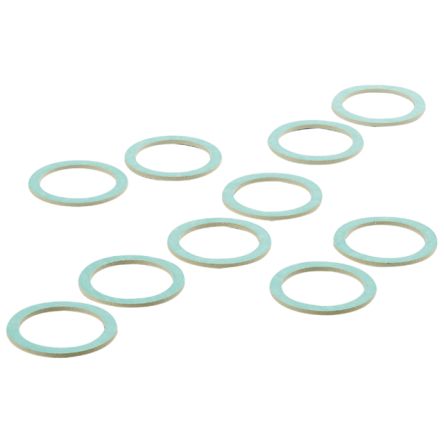
ifm electronic Nitrile Rubber (NBR) Rubber Seal Seal, 43 mm ID, 55 mm OD
RS Stock No. 019-0913
Brand ifm electronic
- Brand: ifm electronic
- Section: Bearings & Seals
- Super Section: Gaskets, Seals & Packings
€ 34.39
in stock now
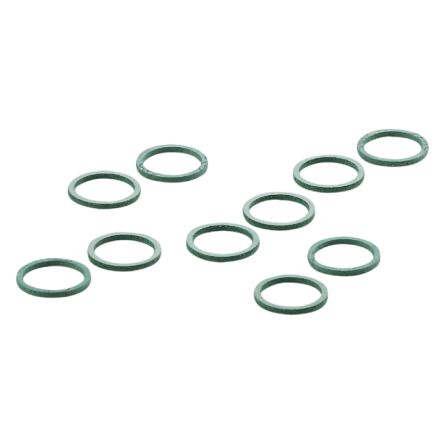
ifm electronic Nitrile Rubber (NBR) Rubber Seal Seal, 13.5 mm ID, 16 mm OD
RS Stock No. 019-0902
Brand ifm electronic
- Brand: ifm electronic
- Category: Gaskets & O-Rings
- Super Section: Gaskets, Seals & Packings
€ 11.92
in stock now
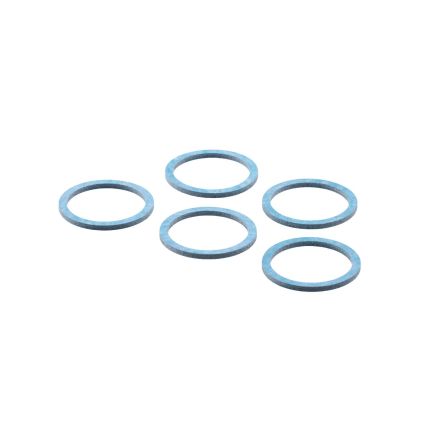
ifm electronic Nitrile Rubber (NBR) Rubber Seal Seal, 26.5 mm ID, 32.1 mm OD
RS Stock No. 019-0915
Brand ifm electronic
- Brand: ifm electronic
- Category: Gaskets & O-Rings
- Section: Bearings & Seals
€ 8.41
in stock now
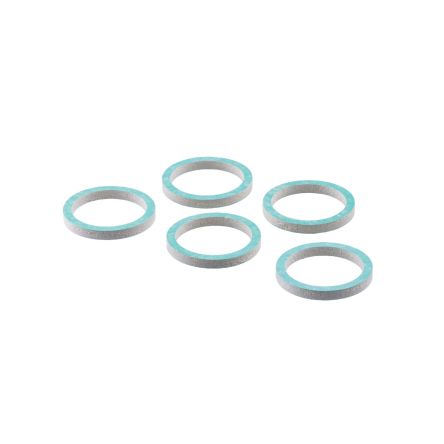
ifm electronic Nitrile Rubber (NBR) Rubber Seal Seal, 26.5 mm ID, 33 mm OD
RS Stock No. 019-1081
Brand ifm electronic
- Category: Gaskets & O-Rings
- Section: Bearings & Seals
- Super Section: Gaskets, Seals & Packings
€ 27.48
in stock now
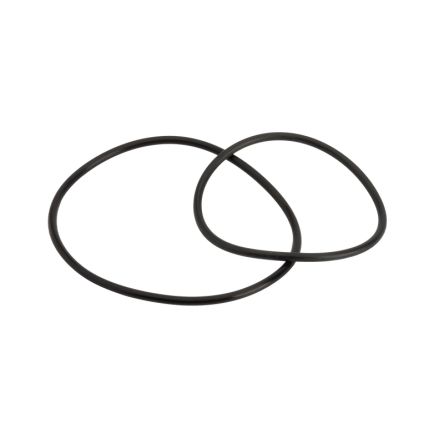
SKF Nickel, Rubber Rubber Seal O-Ring, 31.5 mm ID
RS Stock No. 030-8839
Brand SKF
- Category: Gaskets & O-Rings
- Section: Bearings & Seals
- Super Section: Gaskets, Seals & Packings
€ 87.85
in stock now
Parker Nitrile Rubber (NBR) Rubber Seal O-Ring, 35 mm ID
RS Stock No. 281-2653
Brand Parker
- Brand: Parker
- Section: Bearings & Seals
- Super Section: Gaskets, Seals & Packings
€ 175.70
Temporarily out of stock
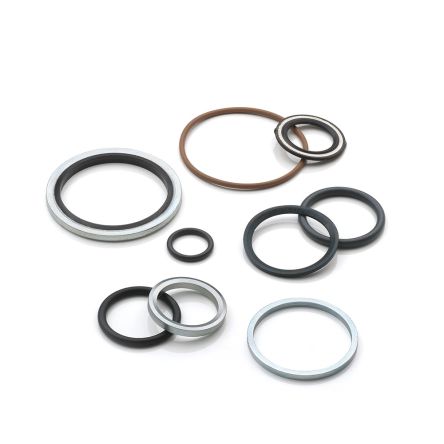
Parker Fluorelastomer Rubber Seal Seal Kit, 11.6 mm ID
RS Stock No. 279-8339
Brand Parker
- Brand: Parker
- Category: Gaskets & O-Rings
- Section: Bearings & Seals
€ 355.17
Temporarily out of stock
Parker Nitrile Rubber (NBR) Rubber Seal O-Ring, 28 mm ID
RS Stock No. 281-2651
Brand Parker
- Brand: Parker
- Section: Bearings & Seals
- Super Section: Gaskets, Seals & Packings
€ 138.05
Temporarily out of stock
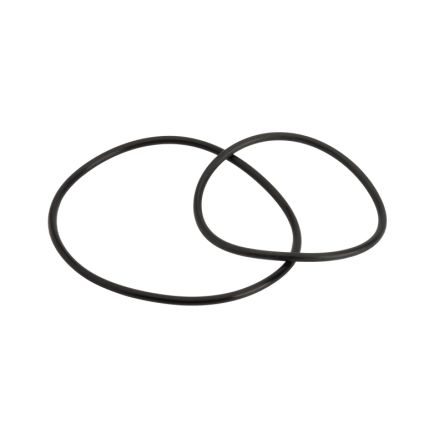
SKF Rubber Seal O-Ring
RS Stock No. 030-8875
Brand SKF
- Brand: SKF
- Category: Gaskets & O-Rings
- Super Section: Gaskets, Seals & Packings
€ 118.60
in stock now
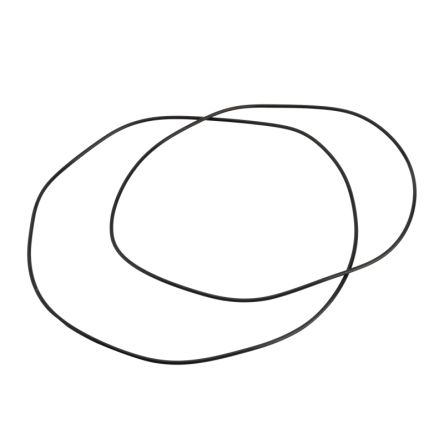
SKF Rubber Seal O-Ring
RS Stock No. 030-8879
Brand SKF
- Brand: SKF
- Category: Gaskets & O-Rings
- Super Section: Gaskets, Seals & Packings
€ 219.63
in stock now
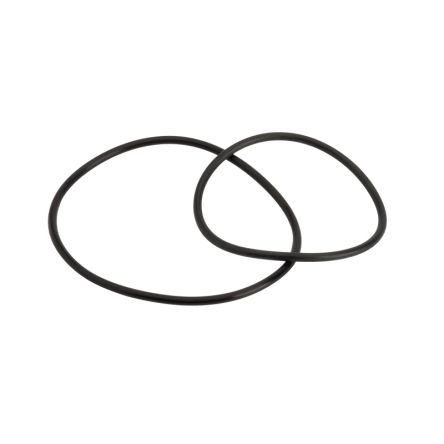
SKF Rubber Seal O-Ring
RS Stock No. 030-8844
Brand SKF
- Brand: SKF
- Category: Gaskets & O-Rings
- Section: Bearings & Seals
€ 87.85
in stock now
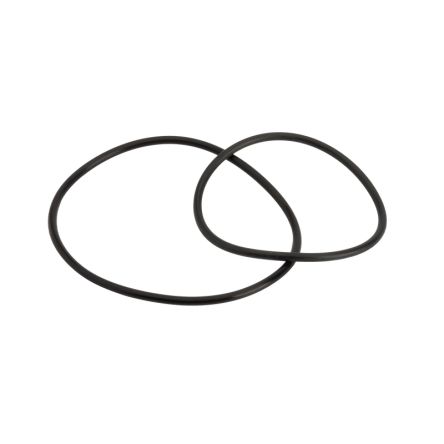
SKF Rubber Seal O-Ring
RS Stock No. 030-8847
Brand SKF
- Brand: SKF
- Category: Gaskets & O-Rings
- Section: Bearings & Seals
€ 87.85
in stock now
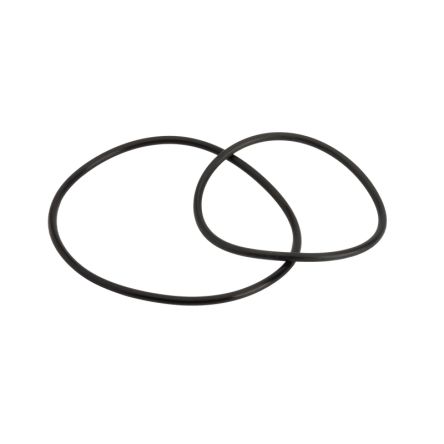
SKF Rubber Seal O-Ring
RS Stock No. 030-8853
Brand SKF
- Brand: SKF
- Section: Bearings & Seals
- Super Section: Gaskets, Seals & Packings
€ 89.73
in stock now
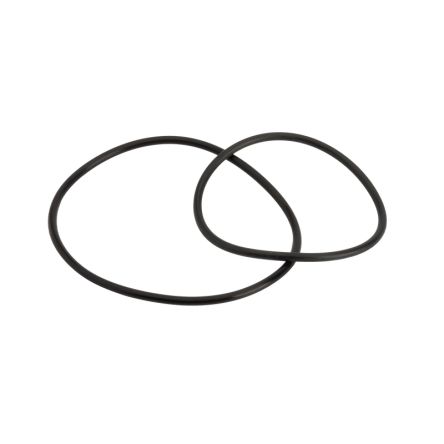
SKF Rubber Seal O-Ring
RS Stock No. 030-8857
Brand SKF
- Brand: SKF
- Section: Bearings & Seals
- Super Section: Gaskets, Seals & Packings
€ 90.99
in stock now
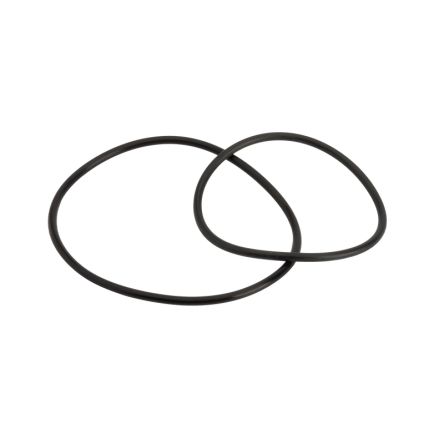
SKF Rubber Seal O-Ring
RS Stock No. 030-8861
Brand SKF
- Brand: SKF
- Category: Gaskets & O-Rings
- Super Section: Gaskets, Seals & Packings
€ 106.05
in stock now
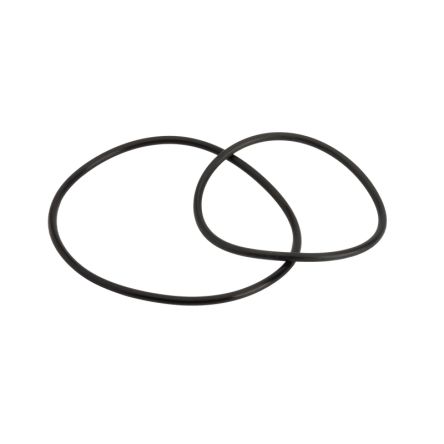
SKF Rubber Seal O-Ring
RS Stock No. 030-8870
Brand SKF
- Brand: SKF
- Section: Bearings & Seals
- Super Section: Gaskets, Seals & Packings
€ 115.46
in stock now
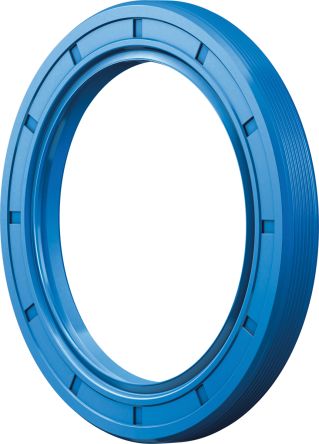
Freudenberg Sealing Technologies Simrit Acrylonitrile Butadiene Rubber Seal, 25 mm ID, 37 mm OD
RS Stock No. 828-9217
Brand Freudenberg Sealing Technologies Simrit
- Category: Seals
- Section: Bearings & Seals
- Super Section: Gaskets, Seals & Packings
€ 16.06
14 in stock now
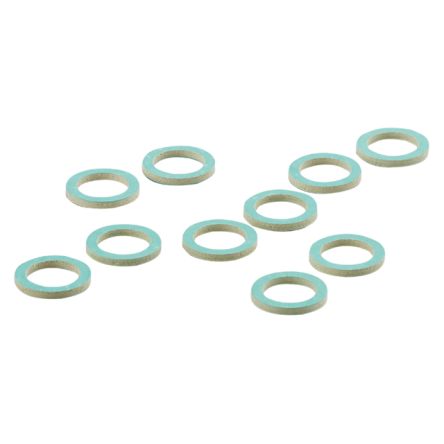
ifm electronic Centellen Rubber Seal Seal, 17 mm ID, 24 mm OD
RS Stock No. 018-8805
Brand ifm electronic
- Category: Gaskets & O-Rings
- Section: Bearings & Seals
- Super Section: Gaskets, Seals & Packings
€ 11.17
in stock now
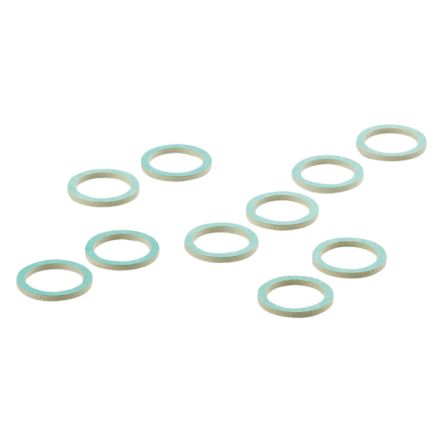
ifm electronic Centellen Rubber Seal Seal, 23.5 mm ID, 30 mm OD
RS Stock No. 019-0972
Brand ifm electronic
- Brand: ifm electronic
- Category: Gaskets & O-Rings
- Super Section: Gaskets, Seals & Packings
€ 17.32
in stock now
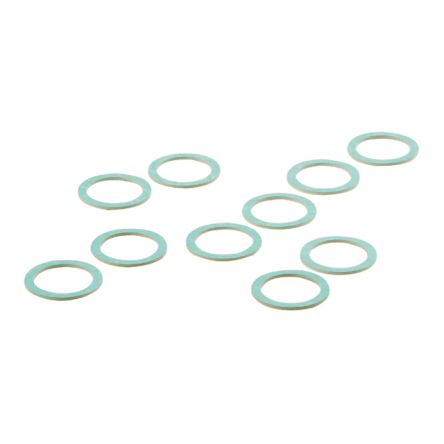
ifm electronic Centellen Rubber Seal Seal, 29.5 mm ID, 38 mm OD
RS Stock No. 019-1076
Brand ifm electronic
- Brand: ifm electronic
- Category: Gaskets & O-Rings
- Super Section: Gaskets, Seals & Packings
€ 17.32
in stock now

...
What is a rubber seal?
- Prevents fluid or gas leaks
- Maintains pressure and efficiency in systems
- Compensates for small misalignments or surface irregularities
- Resists wear, temperature changes, and chemical exposure when selected correctly
What are the common materials used for rubber seals?
- EPDM (ethylene propylene diene monomer) — excellent water and steam resistance, common in HVAC and automotive cooling systems
- Nitrile/NBR — good oil and fuel resistance, widely used in automotive, hydraulic, and industrial seals
- Silicone — broad temperature range, suitable for food contact and sanitary environments
- FKM/Viton — high chemical resistance to fuels and solvents, ideal for harsh chemical and high-temperature applications
- Neoprene/CR — versatility, good weathering and ozone resistance, common in outdoor and marine seals
- HNBR — improved oil resistance and heat resistance over standard NBR
- Fluorosilicone — combines silicone's temperature range with fluorinated oil resistance for specialized fluids
What are the main types of rubber seals used in industry?
- O-rings — circular cross-section seals used in static and dynamic joints; simple, versatile, and available in many materials
- Lip seals — axial or radial seals with a sealing lip designed to retain lubricants and exclude contaminants in rotating shafts
- Oil and hydraulic seals — specially shaped to handle pressure and lubricant compatibility in pumps and actuators
- Gaskets — flat seals used between mating surfaces to prevent leakage in flanged and gasketed joints
- Dynamic seals — designed to seal moving parts such as shafts or pistons, requiring good wear resistance and low friction
- Static seals — maintain a seal without movement, relying on material resilience and surface finish
- Specialty seals — medical-grade, food-grade, or high-temperature variants for niche applications
How do I choose the right rubber seal for a particular application?
- — identify the liquid, gas, or solvent, and choose a material with proven resistance to it (oil, water, fuels, acids, alkaline solutions, solvents, detergents).
- Temperature range — ensure the material remains elastic and does not crack or extrude at the operating temperatures.
- Pressure and speed — dynamic seals in high-pressure systems require higher durometer and tougher wear resistance.
- Chemical exposure — exposure to ozone, UV, or weathering may favor neoprene or fluorinated elastomers.
- Movement and alignment — dynamic seals must tolerate shaft wear and misalignment, while static seals rely on surface finish and seating accuracy.
- Mechanical properties — durometer (Shore hardness), compression set, and elasticity affect long-term seal integrity.
- — for food, medical, or pharmaceutical lines, compliance (FDA, 3-A, USP) may dictate material choices
How do rubber seals perform under different temperatures and chemicals?
- — excellent oil resistance; good for mid-range temperatures but can harden or swell with certain solvents
- — outstanding water and steam resistance; performs well incool to moderate high temperatures, but not compatible with petroleum-based fluids
- — wide temperature tolerance (low to very high temperatures); good chemical inertness for many foods and medical devices, but may have higher permeability
- — superior chemical resistance to fuels, solvents, and high temperatures; ideal for aggressive media
- — versatile but moderate chemical resistance; good for weather and ozone exposure
How do you install or maintain rubber seals in machinery?
- Inspect surfaces for nicks, scratches, or burrs; repair or replace damaged flanges and housings
- Choose the correct cross-section and inner diameter; verify tolerances against the shaft, bore, or gland
- Lubricate where appropriate with silicone-based or manufacturer-approved lubricants to reduce installation friction
- Avoid excessive compression; follow recommended seating torque and assembly procedures
- Protect seals during assembly from sharp edges, debris, and contamination
- Implement routine checks for leaks, compression set, and wear; replace seals showing degradation
What are common issues with rubber seals and how can I troubleshoot?
- Check seal sizing and seating clearances; ensure the cross-section matches the gland design
- Inspect for compression set or hardening; replace with a more suitable material or durometer if needed
- Look for chemical attack signs such as swelling, softening, or surface cracking
- Assess surface finish of mating parts; rough or damaged surfaces can prevent proper sealing
- Perform leak-rate testing or pressure-decay tests to pinpoint leakage points
Do rubber seals meet industry standards and certifications?
- materials compatible with contact with consumables (FDA-compliant silicones, EPDM used in food processing equipment)
- grades with USP or ISO certifications for cleanroom and sterile applications
- seals designed for high temperature, pressure, and environmental exposure
- seals tested for compatibility with hydraulic fluids, lubricants, coolants, and coolants under various temperatures
- compliance to minimize hazardous substances in components
Can I get custom rubber seals or molded seal solutions?
- Molded seals with tailored cross-sections, profiles, and durometers to match complex geometries
- O-ring and quad-ring assemblies in specific or multi-material configurations
- Coated seals or bonded seals for improved chemical resistance or improved lubrication retention
- Soft-touch designs for reduced shaft wear and improved lubrication