Technical Documents
Specifications
Brand
3MProduct Details
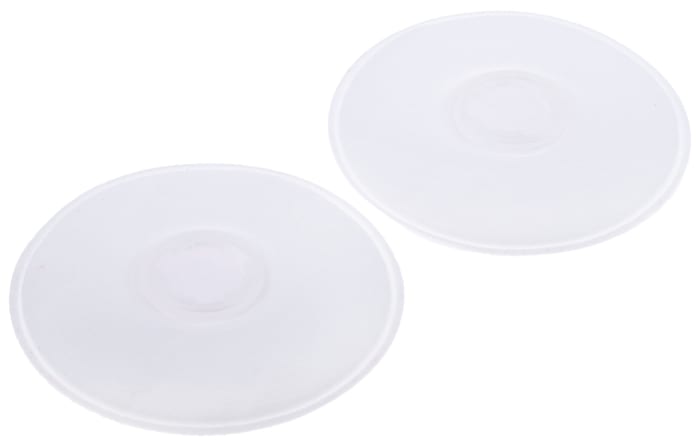
When you need reliable respiratory protection in harsh environments, choose this particulate filter from 3M. It's compatible with half and full face masks from the 6000, 7000 and 7500 series, making it a versatile choice. For maximum safety, the filter is designed to handle fumes, mist and dust, as well as residue from toxic substances.
This product keeps out particulates at up to 100 times the Occupational Exposure Limit when used with a full respirator and up to 10 times the limit when used with a half respirator. This means you can rest assured you'll be protected against environmental hazards.
Solid liquid particles up to 20 x WEL (half-mask) or 40 x WEL (full face mask)
Solid liquit particles protection up to 20 x WEL (half-mask) or 40 x WEL (full face mask), ozone to 10 x WEL and organic vapours/acid gas below WEL
Applications
Filtered respirator facemasks are essential PPE for environments where particle ingress can be potentially hazardous to your health, such as gas, vapours or dust. They are often more suitable for heavy-duty tasks than disposable facemasks. Replaceable respirator particulate filters are graded in different ways to indicate their suitability for different applications, such as;
• A- Organic vapours with a boiling point more than 65°C
• B- Inorganic vapours
• E- Acid gases
• K- Ammonia and ammonia derivatives
• AX- Organic vapours with a boiling point less than 65°C
Half-mask or full-mask respirators?
Depending on the health and safety requirements of your workplace or the demands of your application, you may need to choose between a half mask or full mask respiratory. Half mask respirators cover only the nose and mouth, while full masks cover the entire face. While both masks may have the same grade of filter, a full face mask has the benefit of sealing around the whole face, creating a more secure seal. Full face masks also have the advantage of protecting the eyes from vapours or splashing. As such, the full face mask option is often a better choice for potentially more hazardous conditions.
However, a half-mask might be a more cost-effective option if extra protection isn't needed, or might be more suitable for use in combination with specialized headgear.
Correct use of respirators
When it comes to respiratory protection, the correct fitting and testing of your respirator is just as important as selecting the correct respiratory protective equipment for your working conditions. Be sure to follow all pertinent instructions and that health and safety best practice is adhered to at all times. Always be sure to use the correct filters for your environment, and make sure the replacement filters are changed as regularly as is recommended.
AS/NZS 1716:2003
Stock information temporarily unavailable.
Price on Asking
1
Price on Asking
Stock information temporarily unavailable.
1
Technical Documents
Specifications
Brand
3MProduct Details
When you need reliable respiratory protection in harsh environments, choose this particulate filter from 3M. It's compatible with half and full face masks from the 6000, 7000 and 7500 series, making it a versatile choice. For maximum safety, the filter is designed to handle fumes, mist and dust, as well as residue from toxic substances.
This product keeps out particulates at up to 100 times the Occupational Exposure Limit when used with a full respirator and up to 10 times the limit when used with a half respirator. This means you can rest assured you'll be protected against environmental hazards.
Solid liquid particles up to 20 x WEL (half-mask) or 40 x WEL (full face mask)
Solid liquit particles protection up to 20 x WEL (half-mask) or 40 x WEL (full face mask), ozone to 10 x WEL and organic vapours/acid gas below WEL
Applications
Filtered respirator facemasks are essential PPE for environments where particle ingress can be potentially hazardous to your health, such as gas, vapours or dust. They are often more suitable for heavy-duty tasks than disposable facemasks. Replaceable respirator particulate filters are graded in different ways to indicate their suitability for different applications, such as;
• A- Organic vapours with a boiling point more than 65°C
• B- Inorganic vapours
• E- Acid gases
• K- Ammonia and ammonia derivatives
• AX- Organic vapours with a boiling point less than 65°C
Half-mask or full-mask respirators?
Depending on the health and safety requirements of your workplace or the demands of your application, you may need to choose between a half mask or full mask respiratory. Half mask respirators cover only the nose and mouth, while full masks cover the entire face. While both masks may have the same grade of filter, a full face mask has the benefit of sealing around the whole face, creating a more secure seal. Full face masks also have the advantage of protecting the eyes from vapours or splashing. As such, the full face mask option is often a better choice for potentially more hazardous conditions.
However, a half-mask might be a more cost-effective option if extra protection isn't needed, or might be more suitable for use in combination with specialized headgear.
Correct use of respirators
When it comes to respiratory protection, the correct fitting and testing of your respirator is just as important as selecting the correct respiratory protective equipment for your working conditions. Be sure to follow all pertinent instructions and that health and safety best practice is adhered to at all times. Always be sure to use the correct filters for your environment, and make sure the replacement filters are changed as regularly as is recommended.
AS/NZS 1716:2003