Language
Language
ex VAT
inc. VAT
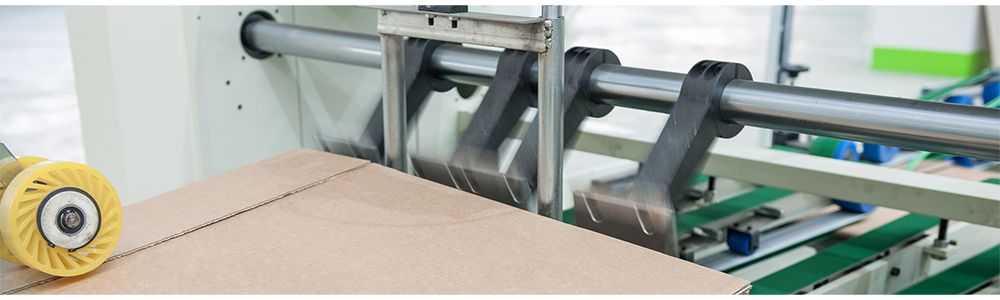
The packaging industry is an extremely important partner for many other industries. Whether producing food, pharmaceuticals, cosmetics, pens, or even board games, products almost always require some form of packaging. Packaging should also, whenever possible, be customer-oriented, tailored to the product’s characteristics and requirements, and compliant with industry-specific regulations. In principle, packaging has three core functions: protecting the product from the environment and the environment from the product, facilitating distribution, and providing information about the product. In addition to these fundamental purposes, packaging also serves several other important functional and commercial roles.
Sustainability is one of the newest demands increasingly placed on packaging, even though the environmental impact of the packaging itself is often relatively marginal. The core functions of packaging – protecting the product from damage, extending shelf life, and ensuring durability – typically have a far greater influence on the total environmental footprint. One challenge in lifecycle-based environmental thinking is that consumers may not always consider the total impact, but instead gravitate toward products whose packaging simply appears more environmentally friendly.
For companies packaging products, packaging may support sales, branding, and communication – but it is always also a cost. To remain competitive, packaging manufacturers should aim for maximum operational efficiency. In the packaging industry, the most significant cost savings are typically generated through: 1) Reducing production downtime, 2) Cost control, 3) New production lines and automation 4) Hygiene management (especially in food packaging).
1) Reduce Production Downtime
Unplanned production downtime caused by equipment failure can lead to significant time losses, production costs, and material waste. Some equipment may also be customised in such a way that replacement parts are not readily available from stock. Predictive maintenance should therefore be a high priority.
2) Cost Control
Once equipment warranties and service agreements expire, companies often end up sourcing spare parts from numerous different brands and manufacturers. This creates unnecessary purchasing complexity and increases maintenance costs. In addition, using multiple brands can create inventory management challenges.
3) New Production Lines and Modifications
The packaging industry is often subcontracting-based, meaning production lines may need to be modified at very short notice. Reducing the time required to switch from one packaging format to another helps minimise downtime and improve efficiency.
4) Hygiene Management
Avoiding product contamination is critically important, particularly in food packaging. Proper PPE solutions and lubrication programmes must be carefully managed and maintained.